As 2026 gets closer, choosing the right Sports Flooring really becomes a big deal for athletes and facility managers alike. After all, the kind of surface you pick can affect performance, safety, and how comfortable players feel during their game or workout. Interestingly, industry reports say the global sports flooring market is expected to hit around $3.1 billion by 2026. That’s pretty telling—people are definitely craving better, more tailored surfaces for various sports.
Now, different materials come with their own perks. Take Rubber Flooring, for example. It’s a favorite because it’s tough and absorbs shocks well. And things like wholesale gym rubber rolls and interlocking tiles are popular too—mainly because they’re simple to install. These options help create a stable, safe space for athletes to train or compete. But here’s the thing—they’re not all suitable for every sport. Picking the wrong kind of flooring can lead to injuries or even mess up performance, which is a pretty big downside.
That said, when you’re picking out flooring, don’t forget to think long-term. Some of those fancy “premium” options might look great but don’t always perform well in real life, so it’s worth weighing the actual benefits against your specific needs. Making the right choice can really make a difference—it’s about creating a safer, more efficient environment for athletes to do their thing. Ultimately, investing wisely in the right flooring isn’t just a detail; it can really improve training and playing conditions for everyone involved.
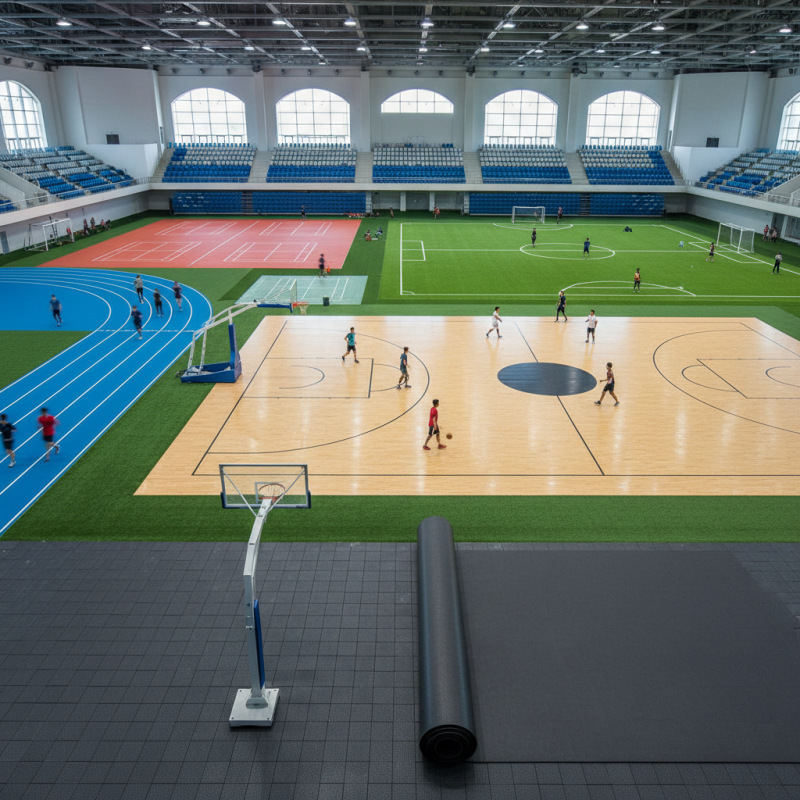
Overview of Sports Flooring Types Available in 2026
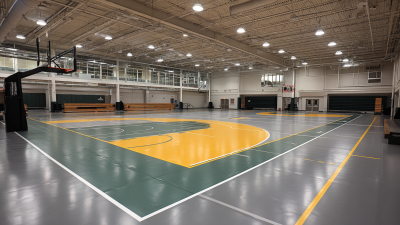
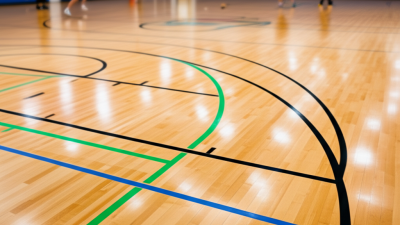
In 2026, a variety of Sports Flooring options are expected to dominate athletic venues. Each type has unique advantages and drawbacks, making it crucial to choose wisely. Wood flooring remains a classic choice for basketball and volleyball. Its natural feel offers great traction. However, it can be prone to scratches and requires regular maintenance.
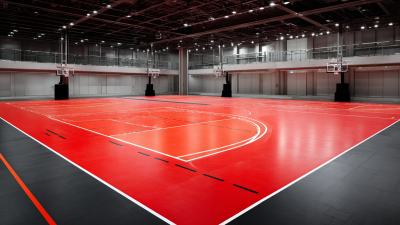
Synthetic surfaces, like vinyl and rubber, are on the rise. They are durable and provide good shock absorption. Many sports facilities appreciate their low upkeep. Still, some athletes find synthetic flooring lacks the responsiveness of natural materials. Furthermore, temperature and humidity can affect performance on these surfaces.
Outdoor sports areas benefit from innovative options like turf and porous concrete. Turf mimics grass, allowing for various sports. It's versatile but may need replacement after several years. Porous concrete drains well but can be harsh on joints. Each choice has its pros and cons, so careful consideration is essential for any facility planning to invest in sports flooring in 2026.
Key Factors Influencing the Choice of Sports Flooring
When selecting sports flooring, several key factors come into play. The type of sport significantly dictates the required flooring. For instance, basketball demands a floor that provides both traction and cushioning. In contrast, a martial arts studio may need a softer surface for safety. These varied requirements complicate decisions and make it essential to evaluate each sport's unique needs.
Durability also matters. Flooring must withstand heavy use while maintaining performance. High-traffic areas might show wear and tear quickly. Manufacturers often promise longevity, but users frequently find that some surfaces do not live up to expectations. Regular maintenance affects performance too. Without proper care, even the best flooring can deteriorate.
Installation is another point of concern. Some floors are easy to install, while others require professional help. Budget constraints may limit options significantly. Furthermore, it's important to consider the environmental impact of flooring materials. Many products claim sustainability, yet users should verify these claims. It’s a complex puzzle, and making the best choice can be quite challenging.
Comparative Analysis of Resilient Flooring Options
When choosing resilient flooring for sports facilities, performance and safety are key. A study by the National Institute of Health found that poor flooring can increase injury risks by 30%. Many gym owners overlook this, leading to potential liability issues.
Rubber flooring remains popular due to its durability and shock absorption. However, it can sometimes attract odors and may require frequent cleaning.
Vinyl options are lightweight and relatively easy to maintain. Yet, they might not provide enough cushioning, which could impact player performance over time.
A mixed-use approach can provide benefits. Combining materials can create a more versatile space. For example, using rubber for high-impact areas while incorporating vinyl in less intensive spots balances cushioning with cost-efficiency. Reports indicate that 40% of sports centers are now experimenting with hybrid floors, but adjustments in maintenance and cost management are often necessary.
Pros and Cons of Wood Sports Flooring
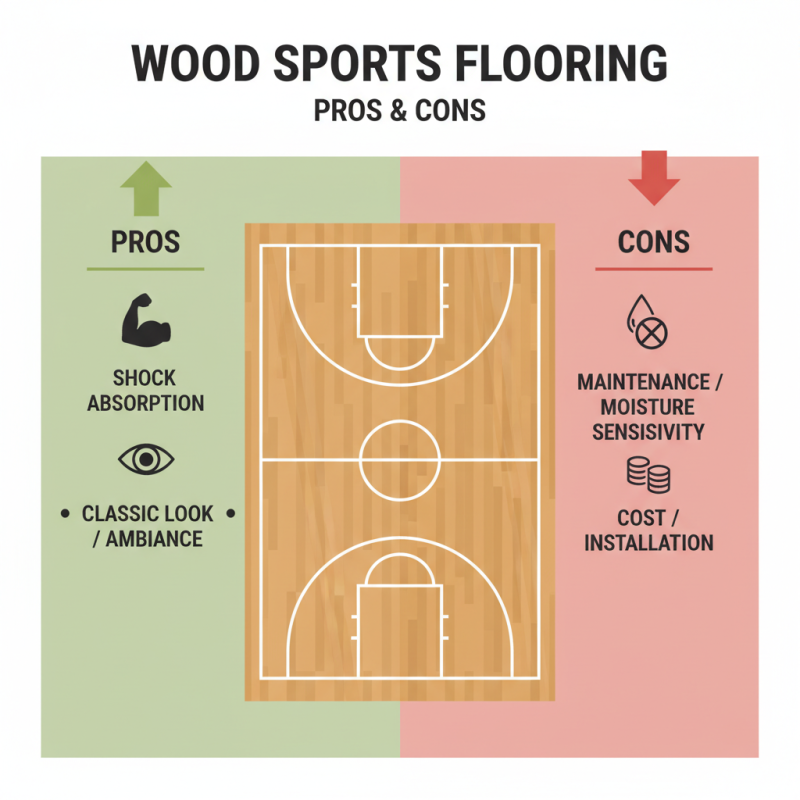
Wood sports flooring is a popular choice in athletic facilities. It offers a classic look and excellent performance. However, there are pros and cons to consider. On one hand, wood provides great shock absorption. This protects athletes' joints during intense activities. Additionally, wood is aesthetically pleasing and can enhance the overall ambiance of a gym or court.
On the downside, wood flooring requires regular maintenance. It can be prone to scratches and dents. Environmental factors can also cause warping or cracking. For busy sports facilities, this may lead to higher replacement costs over time. Alternatives like Pvc Sports Flooring are gaining attention for their durability and low maintenance.
Here are some tips for selecting the right sports flooring. Assess the level of use. If the space is highly active, choose materials that can withstand wear. Look for options that offer good traction and safety features. Lastly, consider the installation process. A professional installation may ensure the longevity of your chosen flooring.
Advancements in Synthetic Flooring Technologies
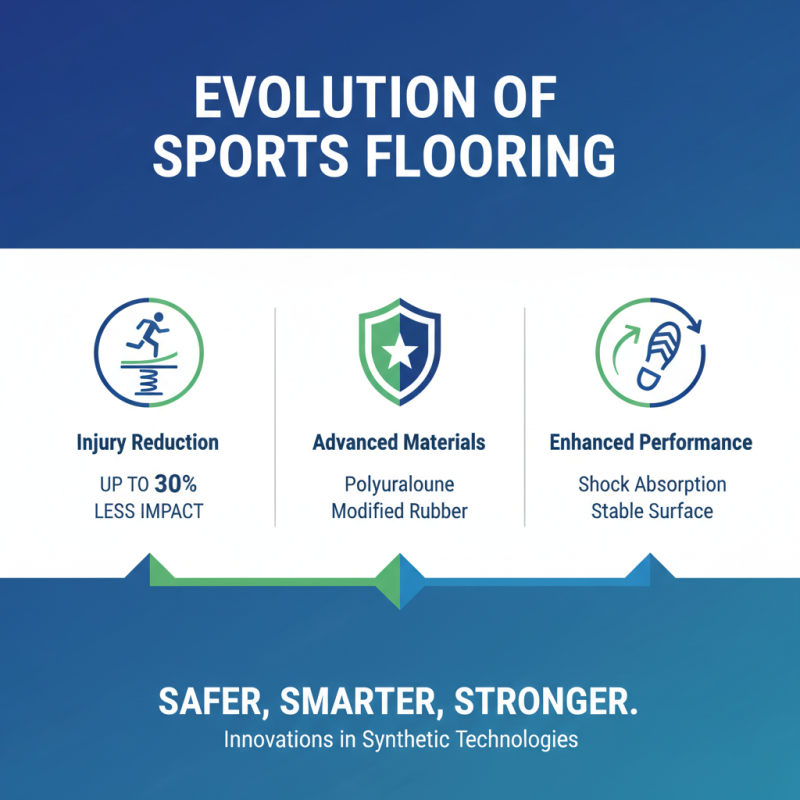
The evolution of synthetic flooring technologies is reshaping sports environments. Recent reports indicate that synthetic flooring can reduce injuries by as much as 30%. This improvement is critical for athletes at all levels. Materials like polyurethane and modified rubber offer greater shock absorption. They provide a stable playing surface while minimizing wear and tear.
Another interesting aspect is sustainability. Studies show that eco-friendly synthetic options are gaining traction. These materials often use recycled resources, which is appealing in today’s market. While innovation is noteworthy, challenges remain. Not all facilities can afford the latest technology. This raises questions about equity in access to high-quality flooring.
Additionally, maintenance can be a tricky area. The lifespan of synthetic floors can vary significantly based on usage and care. Some surfaces require regular upkeep, adding costs over time. Facility managers must weigh these factors when choosing materials. Balancing performance, cost, and durability is critical. The decision often leads to different outcomes than expected.
Environmental Impact of Different Sports Flooring Materials
When it comes to Sports Hall Flooring, the environmental impact of materials is crucial. Many traditional options, like PVC and rubber, have significant carbon footprints. Studies show that PVC production emits roughly 0.57 kg of carbon dioxide per kilogram of material. This is alarming, considering the large quantities used in athletic facilities.
Natural materials, like cork or bamboo, present a more sustainable alternative. These options not only reduce waste but also absorb carbon dioxide. For instance, cork forests can sequester up to 14 million metric tons of CO2 annually. Yet, sourcing these materials responsibly remains a challenge. Unsustainable practices can lead to habitat loss and biodiversity decline.
Recycled and upcycled materials are increasingly popular. They can significantly cut down waste and lower the demand for new raw materials. According to industry reports, using recycled rubber can reduce energy consumption by 60% compared to virgin rubber. Still, quality and lifespan are concerns that need attention. Choosing the best sports hall flooring often requires weighing environmental benefits against durability and performance.
Future Trends in Sports Flooring Design and Performance
The future of sports flooring design appears promising in 2026. Sustainable materials are gaining traction. Eco-friendly options in Sports Flooring Tiles are a hot topic. These choices help reduce environmental impact while providing excellent performance. The challenge lies in balancing durability and sustainability. Can brands fully commit to eco-friendly materials without sacrificing quality? It’s a question worth pondering.
Performance-enhancing designs are on the rise. Innovations like shock-absorbing layers and textured surfaces improve safety and playability. More athletes are voicing their concerns about injuries. Flooring that minimizes impact is essential in preventing long-term health issues. However, not all innovations lead to success. While some designs improve performance, others may fall short of expectations.
Customization is becoming a trend. Teams want unique flooring solutions that reflect their identity. Sports flooring tiles can be tailored to fit specific needs. This allows for greater creativity in design. Yet, with so many options, choosing the right type can be overwhelming. Are teams ready to invest in more personalized choices, or will they stick to traditional designs? The direction of sports flooring is still unfolding.
Top Sports Flooring Options for 2026 Which is Best? - Future Trends in Sports Flooring Design and Performance
| Flooring Type | Material | Durability | Cost per Square Foot | Ideal Use |
| Rubber Flooring | Natural and Synthetic Rubber | High | $2.50 - $5.00 | Gyms, Indoor Tracks |
| Wood Flooring | Maple or Oak | Very High | $5.00 - $10.00 | Basketball Courts, Dance Studios |
| Carpet Tiles | Nylon, Polypropylene | Medium | $3.00 - $6.00 | Sports Facilities, Yoga Studios |
| Synthetic Turf | Polyethylene, Polypropylene | High | $4.00 - $8.00 | Soccer Fields, Multi-sport Areas |
| Vinyl Flooring | PVC | Medium to High | $2.00 - $4.00 | Multipurpose Areas, Indoor Sports |
Revitalize Your Workout Space with Rubber Tile Pro Rubber Flooring Mats: A Comprehensive Guide
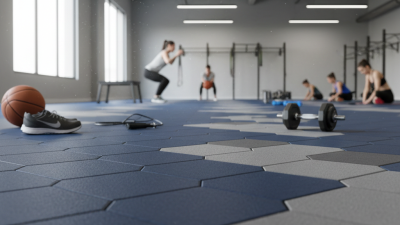
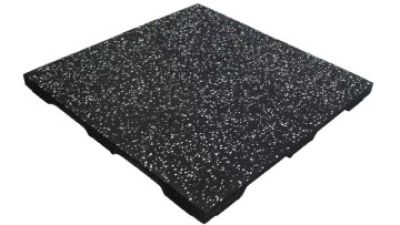
Transforming your workout space can significantly enhance your exercise experience, and one of the most effective ways to achieve this is by incorporating high-quality flooring. Rubber flooring mats, particularly those designed for fitness environments, provide both functionality and aesthetic appeal. The Pro style rubber tiles are crafted to meet the unique demands of free weight zones, offering essential features like shock absorption and noise reduction, which are crucial for maintaining a comfortable workout atmosphere.
The surface of these rubber tiles is made from a durable 1.8mm SBR roll material, which showcases advanced molding techniques for superior performance. This ensures that the tiles can endure heavy weights and repeated high-impact activities without compromising their integrity. The strong support strength and excellent friction properties make them ideal for any intensive workout routine, providing the necessary stability and safety when lifting weights or engaging in vigorous exercises.
Installing rubber flooring mats can also elevate the overall look of your workout space. With their sleek design and variety of finishes, these mats seamlessly blend into any environment while adding an extra layer of comfort. By revitalizing your workout area with these specialized rubber tiles, you create an inviting and efficient setting that encourages motivation and supports your fitness goals.
FAQS
: The type of sport is crucial. Different sports have unique flooring requirements.
Flooring must withstand heavy use. Some surfaces may not meet longevity expectations. Regular maintenance is essential for performance.
Some floors are easy to install, while others require professionals. This can affect your options and budget.
Many materials claim sustainability. Users should verify these eco-friendly claims before making a choice.
Sustainable materials are becoming popular. Balancing durability with eco-friendliness is still a challenge.
Innovations like shock-absorbing layers are improving safety. However, not all new designs achieve desired results.
Yes, teams are seeking unique flooring solutions. This trend offers creativity but can overwhelm with choices.
Many athletes worry about injuries. Flooring that minimizes impact is crucial for long-term health.
Budget constraints may limit options. Some teams may choose to stick with traditional designs instead.
Without proper care, even high-quality flooring can deteriorate. Regular upkeep is necessary for longevity and performance.
Conclusion
In 2026, the market for sports flooring presents a variety of options, catering to diverse needs and preferences. The overview of sports flooring types highlights resilient, wood, and synthetic materials, each offering unique advantages. Key factors influencing the choice of sports flooring include durability, maintenance requirements, and user comfort. A comparative analysis reveals that while resilient flooring options provide excellent shock absorption, traditional wood flooring continues to be favored for its classic aesthetic and performance attributes.
Recent advancements in synthetic flooring technologies further enhance durability and environmental sustainability, making them increasingly attractive for various sports applications. The environmental impact of different sports flooring materials is also a crucial consideration, propelling a trend towards eco-friendly solutions. As future trends emerge, the focus will likely shift towards innovative designs that improve player performance while minimizing the ecological footprint, ultimately redefining the standards of sports flooring in years to come.